SEEN AT AND FEATURED IN:









THE WORK
About Voice Body Connection

I founded Voice Body Connection as a place to explore our voices physically, mentally, emotionally, and spiritually. I hope this is a space where we can join together to approach our voices with compassion, curiosity, and playfulness. I also hope I can bring out your inner science nerd by sharing the physiology of how the human voice works, and nervous system practices that make a huge difference.
If you are experiencing vocal fatigue or MTD (muscle tension dysphonia), struggling with performance anxiety, or feeling disconnected from your authentic voice, there are others like you here. Together, we can work on increasing vocal stamina, building confidence, and expressing ourselves fully! (This all connects to my personal journey… read on for my story below….)
Voice Body Connection is an educational platform and a community.
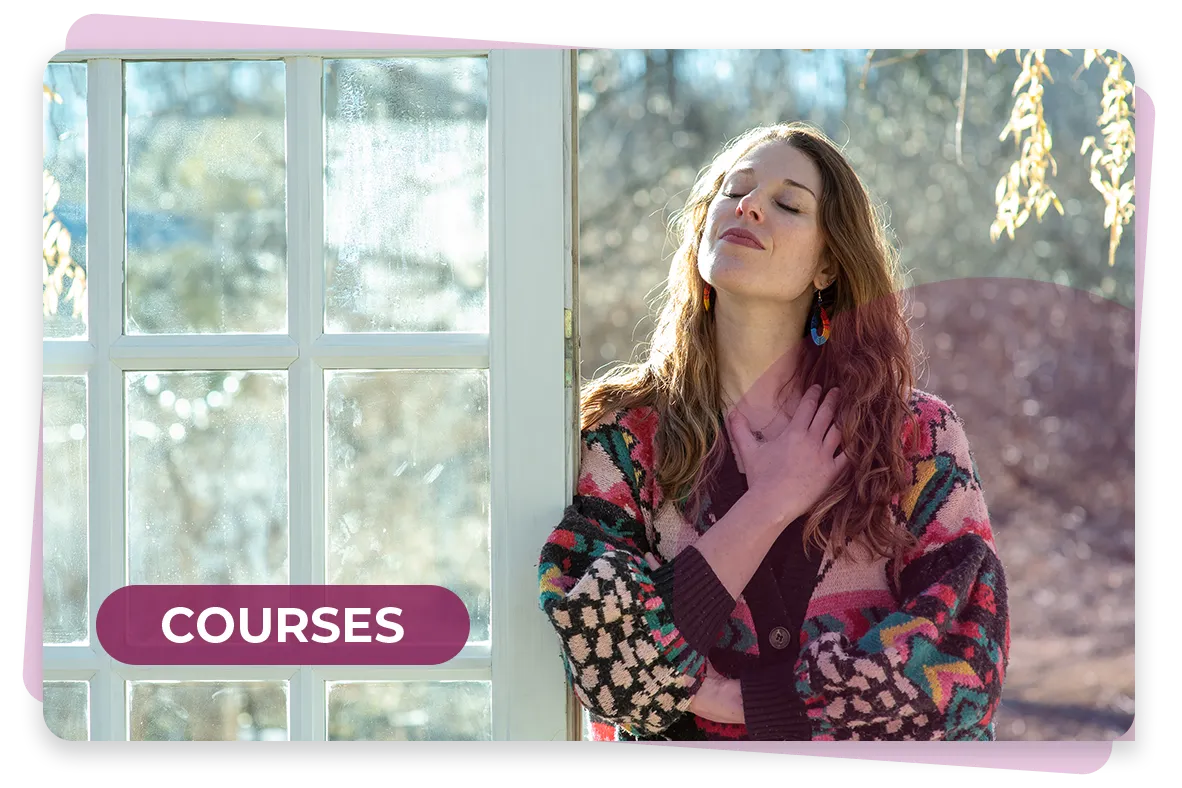
If you’re here for knowledge, check out our Courses to see all our online offerings, including my two signature courses: Release Your Voice (vocal health and tension release training), and Authentic Voice Academy (nervous system training for the camera and the stage). I host an annual cohort for both of these courses, where we meet online to explore the material and connect with each other.
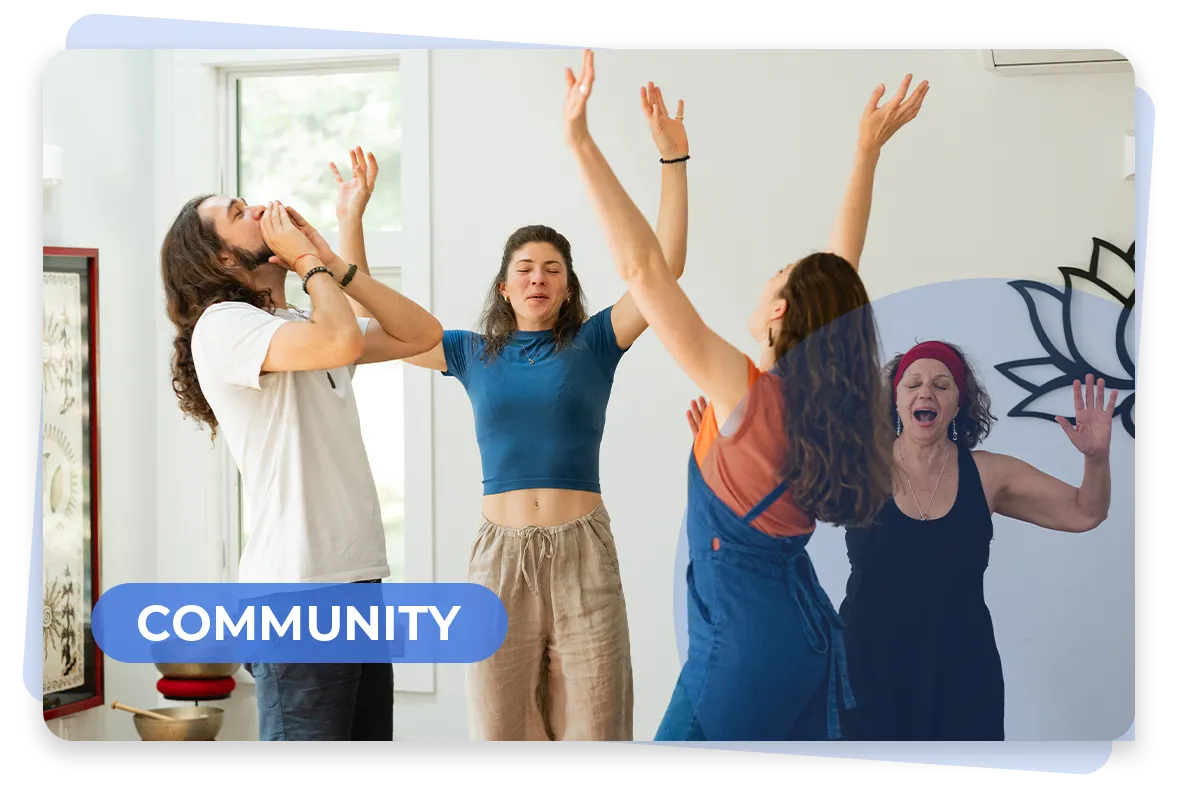
We offer ongoing support and connection through the Voice Body Connection Community. The community includes facilitated vocal warm-ups multiple times a week, plus special voice workshops, sing-alongs, and coaching sessions (using the Voice Body Connection Process™ to understand how to speak our truth).
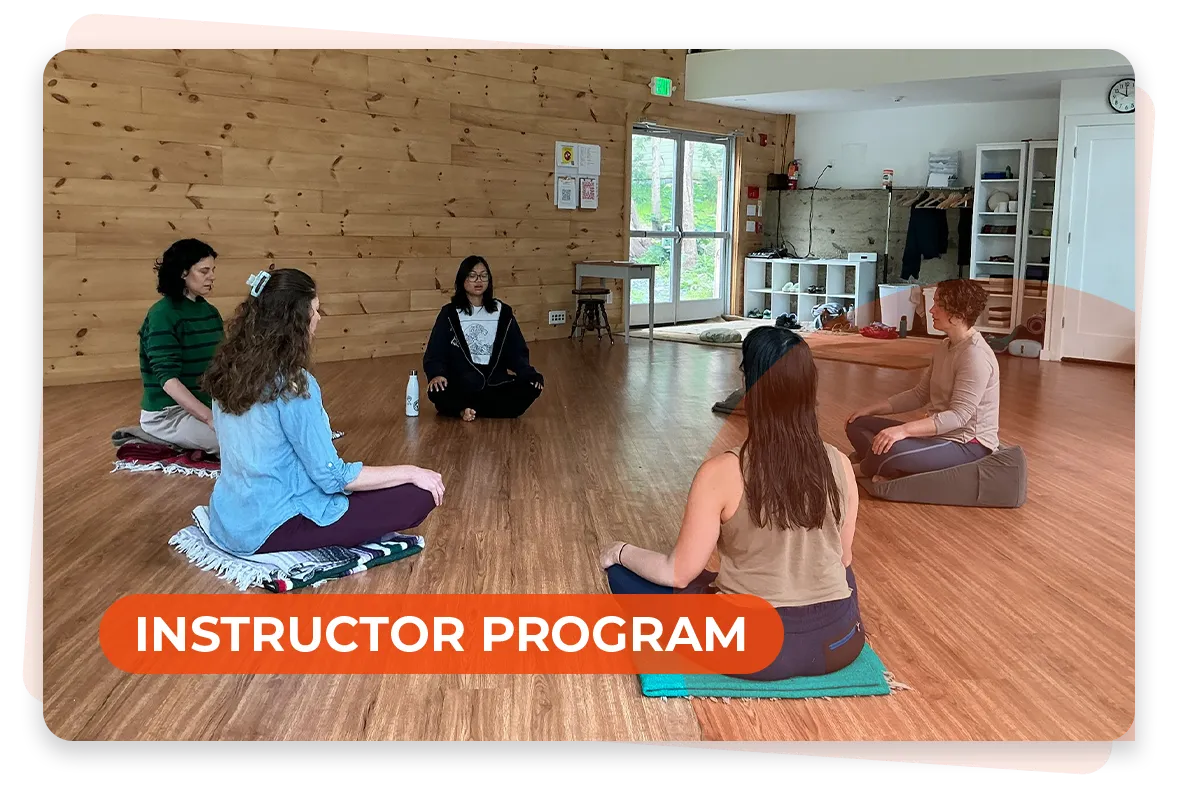
Voice & movement instructors are invited into in-depth mentorship with Elissa in the Voice Body Connection Instructor Program. The program includes pedagogical development, business coaching, and support around maintaining a personal practice. Voice Body Connection Instructors are invited to facilitate warm-ups in the VBC Community, learn about about the Instructor Program here.
Write to us if you have any questions, my team and I would love to hear from you!
Welcome!

HER STORY
About Elissa

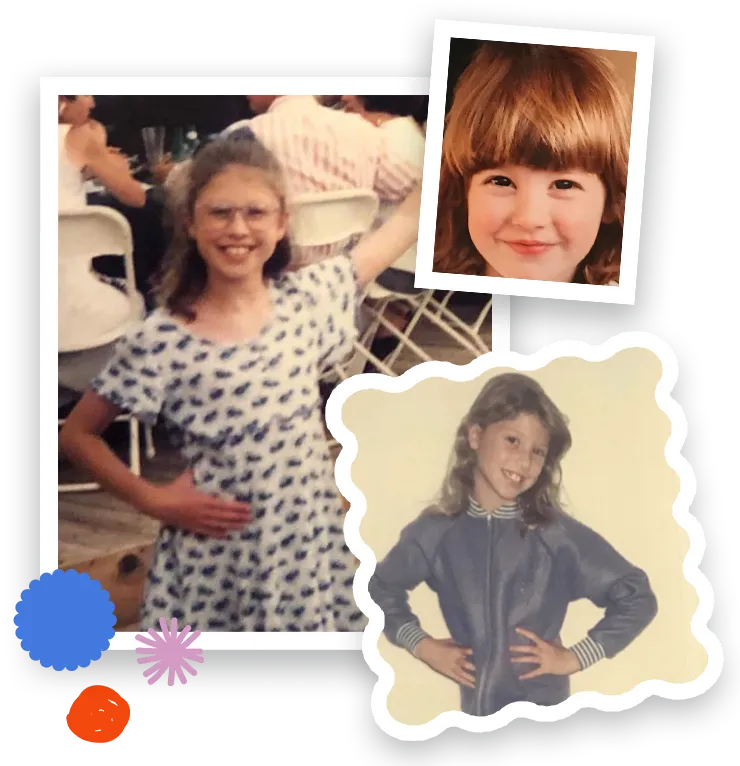
As a kid, I was constantly moving and making sound.
I loved watching Disney movies and singing along.
I loved going to dance class where I got to leap through the air and throw rainbow scarves.
I loved music time at synagogue where we would sing in unison and in rounds.
In elementary school, I would spend recess at the back corner of the field with a friend, improvising simple, spiritual songs. The songs came naturally to me, and I remember feeling so free.
But my education began to take over all my free time. I took music classes at school very seriously. I was at ballet class multiple nights a week. And my summers became completely devoted to theatre camp, where I played Wendy in Peter Pan, and Willy Wonka in Charlie and the Chocolate Factory (I still have the shoes from that costume).
My goal became Broadway, and I was consumed. Year after year, I was in classes all day and rehearsals all night. I played the lead in shows, and I got solos in choir. I was on track.
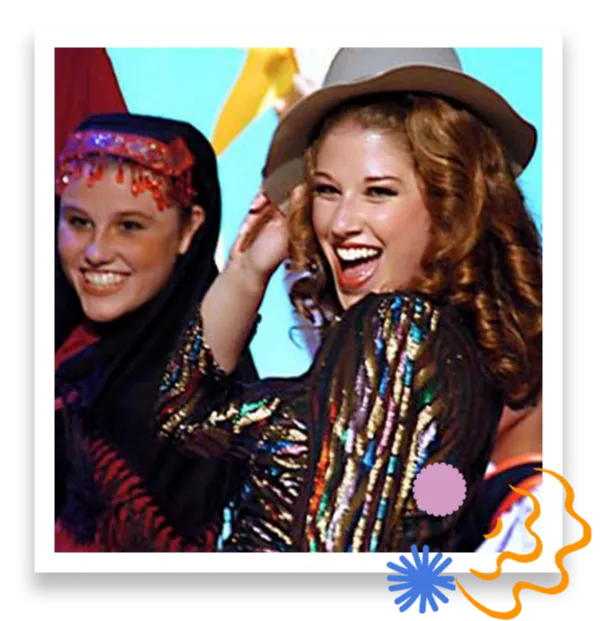
Until the day I lost my voice.
It was my senior year at the University of Southern California, and my a cappella group was headed to the International Championship of Collegiate A Cappella. (Sounds like Pitch Perfect, right?) We had a three song set, and the final song was my solo, “What A Feeling” from Flashdance.
We were on a weekend retreat, and we were rehearsing non-stop. It was starting to hurt to scream-belt the song over and over, but I couldn’t let everyone down. And I had to be cool, so I was drinking at night.
On the last morning of the retreat, I woke up and immediately noticed that it hurt to swallow. My throat felt like it was full of shards of glass. I tried to speak and only a whisper came out. Halfway through the day, I tasted something metallic. I went to the sink and spat up blood. Holy sh*t.
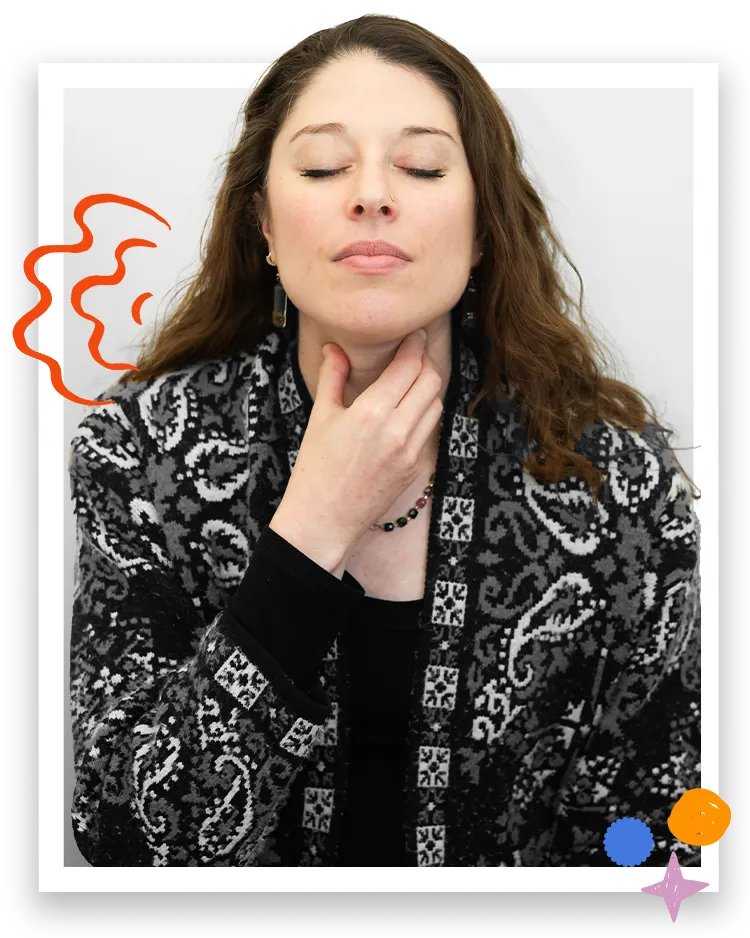
As quickly as I could, I made an appointment with a laryngologist to have my vocal folds scoped. My cords were swollen and red. They said I had experienced “vocal trauma,” and there were signs of severe acid reflux. The doctor prescribed reflux medication, and a month of vocal rest. (Medical voice care has evolved over the last twenty years, and this amount of vocal rest is almost never the recommendation anymore.)
For four weeks, I stayed silent. I had emails, and for in-person communication, I had a little green notepad.
Today, I’m aware of how traumatic this period of my life was, because I barely remember it. My voice had been my defining characteristic. It had been my everything.
It didn’t just feel like I’d lost my voice. It felt like I’d lost my identity.
At the end of the month, I was permitted to speak again, and I started attending speech therapy. My voice was weak. After a few hours of normal speaking, I’d be extremely vocally fatigued. Phone calls were especially difficult. If I tried singing, my stamina was even worse. I couldn’t use my voice intensively for any prolonged period of time without feeling strained and tight.
I was devastated. I was numb. I told everyone my performing career was over, and I focused on another love, directing.
But I couldn’t shake the feeling that I needed to figure out what had happened to my voice.
Why had I hurt my voice?
Would I be able to heal?
Would I ever be able to rely on my voice again?
I began studying Fitzmaurice Voicework®. Under the instruction of Catherine Fitzmaurice and her teachers, I had one of my first big a’ha’s: I realized I had gotten very stuck in the paradigm of right and wrong. I was trying to have a good voice, rather than embracing my voice.
I also enrolled in a 200 hour yoga teacher training program. I learned more about the mechanics of breathing, the power of meditation, and the sacredness of sound. I began to calm my system and let go of some stress.
In 2012, I left for Edmonton, Alberta to begin my MFA in Theatre Voice Pedagogy at the University of Alberta. Under the instruction of Betty Moulton and David Ley, I studied across the disciplines of theatre, music, and speech science. I continued to heal, especially after David introduced me to his idea to use a vibrator for the voice, a project now called Vibrant Voice Technique, that we still work on together today.
I finally started to understand what had happened to my voice. I realized that the doctors could have told me:
“You had a vocal hemorrhage.”
Which is really just a fancy way of saying that my vocal folds bled. Hearing these words would have felt so much more concrete than being told that I’d “suffered vocal trauma,” which felt mysterious and insurmountable.
They also could have said:
“You have muscle tension dysphonia.”
Muscle tension dysphonia, or MTD, is a clinical term that essentially means ongoing muscle tension is causing vocal fatigue. Because there wasn’t any obvious pathology (i.e. vocal nodules or polyps) they had said “Your vocal cords look fine! Try speech therapy.” When I finally figured out I had a case of MTD, I understood why my stamina issues were continuing long after the initial voice loss.
I finished my MFA and moved to New York City in 2015. Ironically, I quickly found myself working with Broadway performers.
Much has happened over the past years since I finished my degree and moved to New York.
Slowly, I’ve continued to untangle my vocal tension.
Slowly, I’ve continued to uncover the thought patterns that keep me stuck.
Slowly, I’ve continued to process the depth of emotion I feel over losing my voice.
Which, I now see, didn't happen randomly one day on an a cappella retreat. It happened day after day after day, as I forgot about the young girl singing on the field for the love of it, and became someone driven towards an outward idea of success.
It took me many years to start singing again. I have Stephanie Rooker and Priya Darshini to thank for helping me come out of my shell. You can find my music here, or by searching Elissa Maas on all platforms.
Instead of spending my days in a dark theatre, I now live on a farm in the Hudson Valley of New York, where my partner and I grow food and tend our sheep with the help of our somewhat timid Corgi. If you’re in my neck of the woods, check the events section of this website to come to a workshop or join my choir.
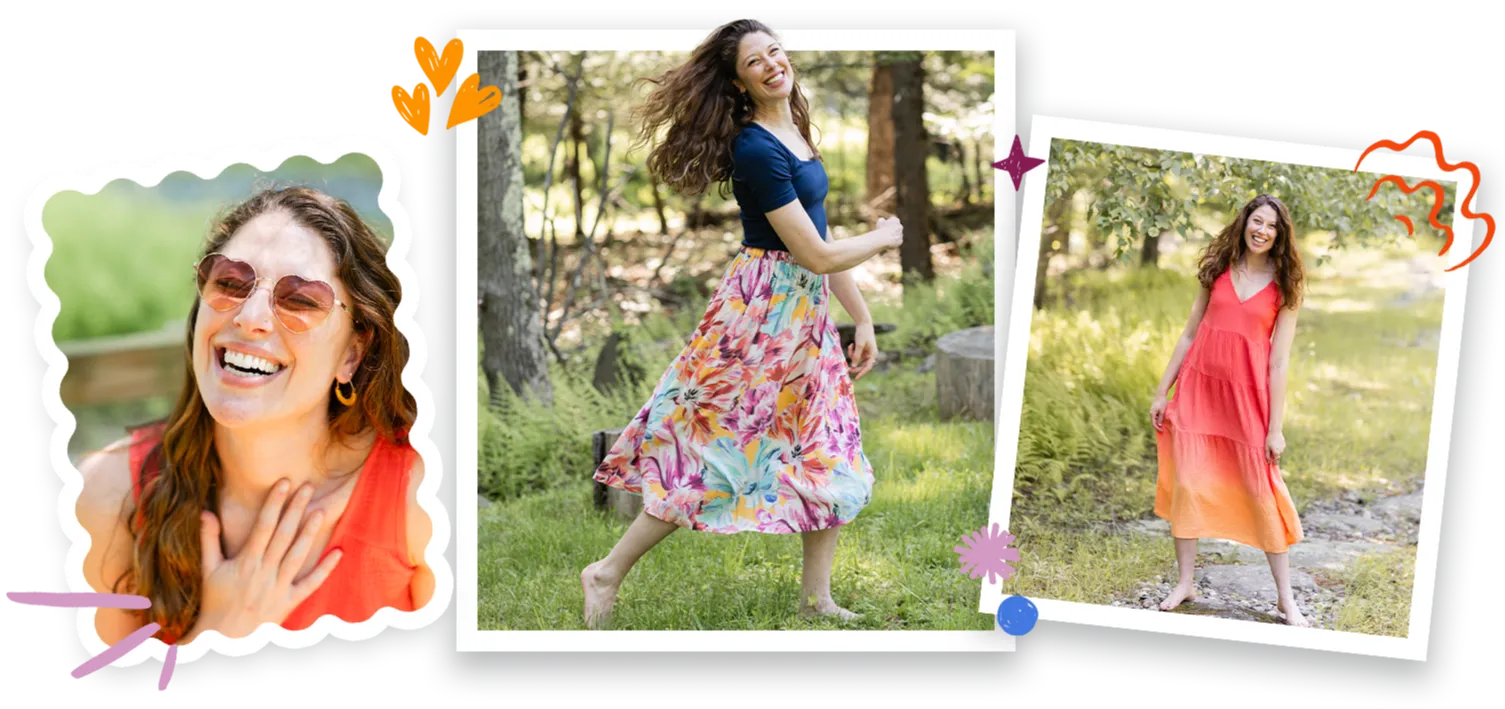
Thank you for reading my story. I’ll finish with a message for you:
No one else on earth has your unique experience.
No one else on earth has your unique voice.
No one else can say what you need to say.
No one else can sing what you need to sing.
So... Use your voice. Own your voice. Raise your voice. Share your voice.
Your voice matters.
Please write to me, I’d love to hear about you and your story.
Much love,
Elissa’s Professional Bio

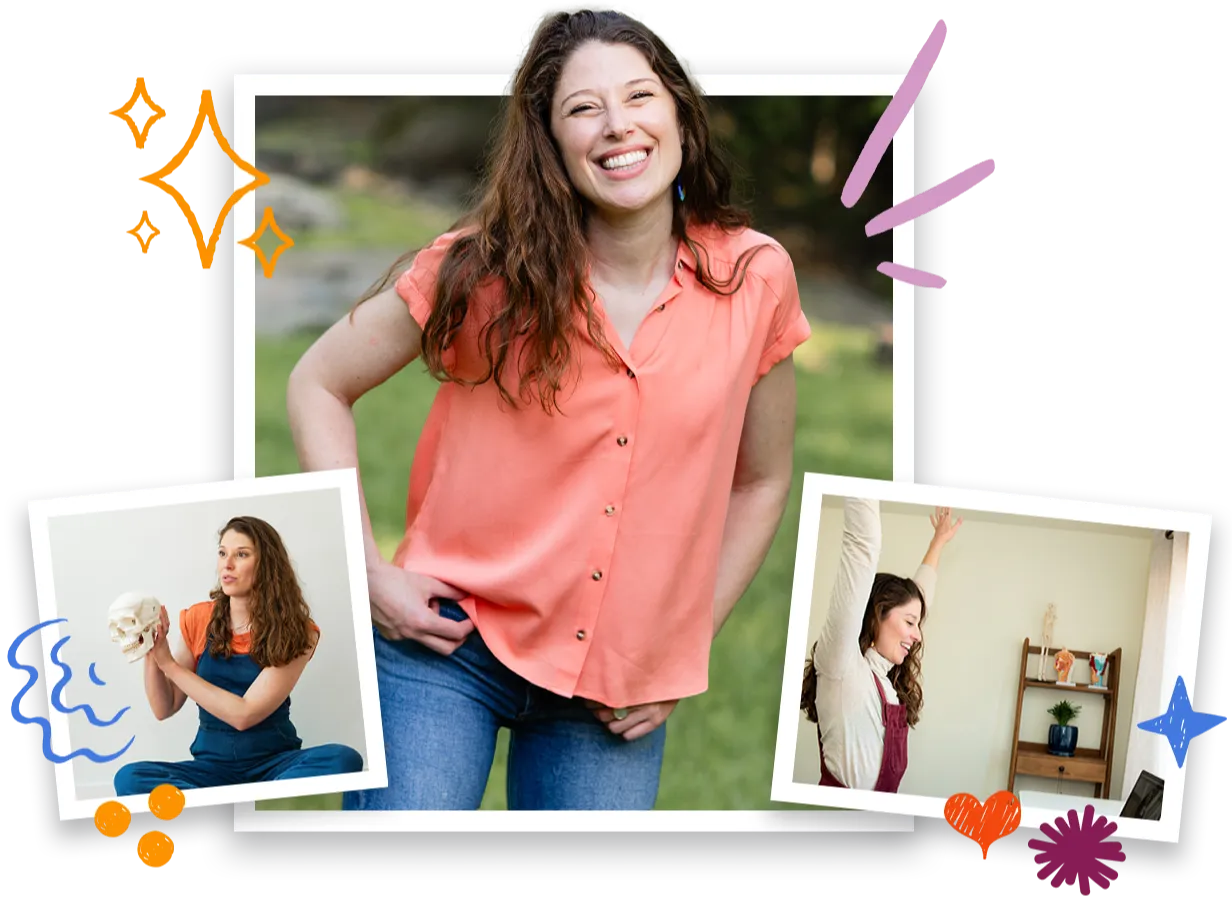
Elissa Maas Weinzimmer is a vocal health educator, presence coach, and the founder of Voice Body Connection.
After suddenly losing her voice at age 21 due to a vocal hemorrhage, severe onset of acid reflux, and muscle tension dysphonia, Elissa began studying the mechanics of the human voice. Over time she developed a unique, concrete approach that empowers performers, leaders, and speakers to optimize their voices and share them more authentically. Elissa's clients include Broadway stars, politicians, and CEOs.
She is a leading vocal coach in her industry, with instructional videos on YouTube that have reached over 1 million views. Elissa has led trainings for companies including WeWork, Equinox, Microsoft, and eBay, and has been featured in Thrive Global, Healthline, and Adweek. She earned her MFA in Theatre Voice Pedagogy from the University of Alberta, and is certified in Body-Mind Centering®, Fitzmaurice Voicework®, and Hatha yoga (200 hours)®. Elissa also runs Vibrant Voice Technique, alongside David Ley. Her music is available on all platforms by searching Elissa Maas. She is based in the Hudson Valley of New York, where she leads a community choir and offers in-person workshops.